Showing posts with label fiction. Show all posts

Thursday, May 16, 2013

The Very Definition

Image courtesy of Taliesin \ morguefile

     I've been doing this writing thing just long enough to notice that any time I encounter another writer for the first time, aside from the usual bio info exchanged, the most common question is, "What genre do you write?"  After a few of these exchanges, I quickly realized that I didn't know the different genres as well as I thought I did.  Genresofliterature.com offers a nice concise list and brief definition of the different genres currently defined*.     

Nonfiction Genres

Nonfiction

     Factual writing.  Writings that convey factual information and are not primarily works of the creative imagination.

Example: History of The American Economy (textbook)

Narrative Nonfiction

     Also referred to as creative nonfiction, literary journalism and fact based story telling, adapting some of the features of fiction (creating a narrative persona, setting scenes, presenting interesting characters, creating the look and feel of a setting, telling a story) to the purposes of journalism.

Example: Prince Harry Ending US Visit With Conn Polo Match (news article)

Essays

     Short nonfiction prose piece; an short analytic, descriptive or interpretive piece of literary or journalistic prose dealing with a specific topic, especially from a personal and unsystematic viewpoint.

Example: Boyhood Dream Came True A Czech Taxidermists Success Story (Photo Essay)

Biography

     An account of somebody's life written or produced by another person

Example: Audrey In Rome (Audrey Hepburn's life story as told by Lucca Dotti, Ludovica Damiani and Sciascia Gambaccini)

Autobiography

     An account of somebody's life written by that person

ExampleMy Beloved World (Sonia Sotomayor's life story as told by Sonia Sotomayor)

Speech

     The ability to speak.  The act of communicating by speaking

ExampleThe Gettysburg Address

Fiction Genres

Fiction

     Literary works of imagination.  Novels and stories that describe imaginary people and events.

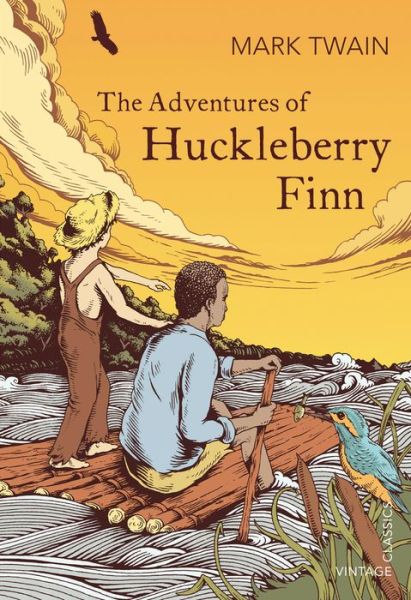
ExampleAdventures of Huckleberry Finn


Drama

     A serious play written for performance on stage, television or radio.  

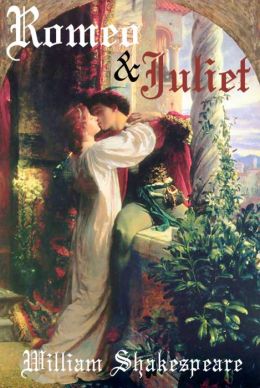
ExampleRomeo and Juliet


Poetry

    Literary works written in verse, in particular, verse writing in high quality, great beauty, emotional sincerity or intensity or profound insight.

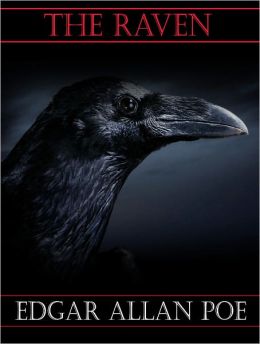
ExampleThe Raven


Fantasy

     The creative power of the imagination.  Commonly uses magic and other supernatural phenomena as a primary plot element, theme or setting.

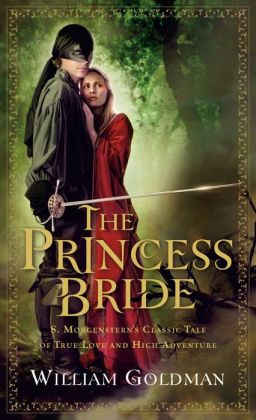
ExampleThe Princess Bride


Humor

     Writings and other material designed to make people laugh.  The quality or content of something that elicits amusement or laughter.

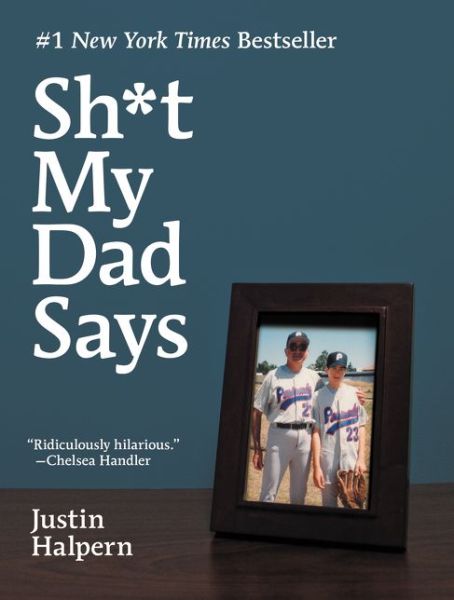
Example:  Sh*t My Dad Says

Fable

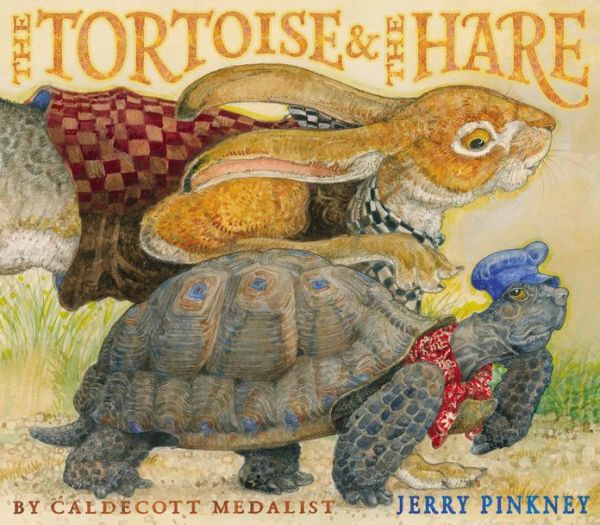
     A short story with a moral, especially one in which the characters are animals.  A story about supernatural, mythological or legendary characters or events.

ExampleThe Tortoise and the Hare


Fairy Tales

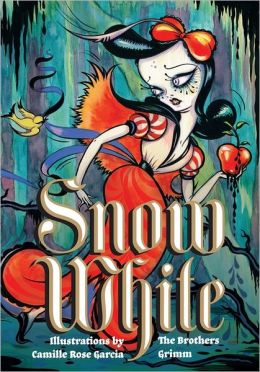
     A story for children about fairies or other imaginary beings and events, often containing a moral message.

ExampleSnow White


Science Fiction

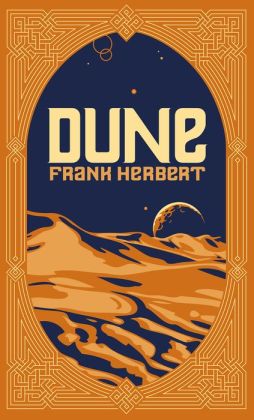
     Fiction based on futuristic science.  Fiction based on science, usually set in the future, that deals with imaginary scientific and technological developments and contact with other worlds.

ExampleDune


Short Story

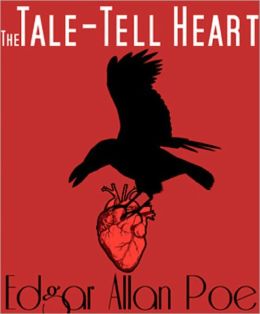
     A work of prose fiction that is shorter than a novel.

ExampleThe Tell-Tale Heart


Realistic Fiction

     Resembling or simulating real life.  Interested in, concerned with or based on what is real or practical.

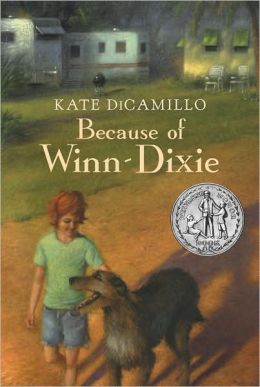
ExampleBecause of Winn-Dixie


Folklore

     Traditional stores and explanations passed down in a community or country.

ExamplePaul Bunyan


Historical Fiction

     Narratives that take place in the past and are characterized chiefly by an imaginative reconstruction of historical events and personages.

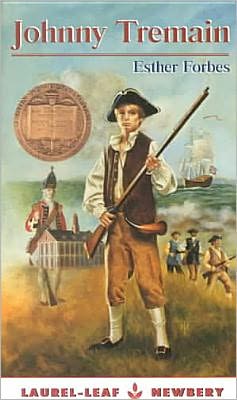
ExampleJohnny Tremain


Horror

     Something that causes a very strong feeling of fear shock or disgust.

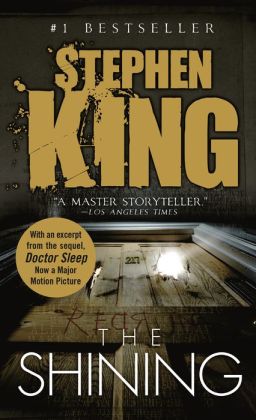
ExampleThe Shining


Tall Tale

     An exaggerated, unreliable story.

ExamplePecos Bill


Legend

     A story that has been passed down for generations, especially one that is presented as history but is unlikely to be true.

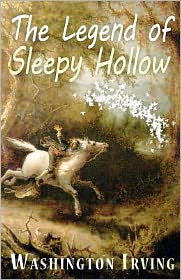
ExampleThe Legend of Sleepy Hollow


Mystery

     An event or situation that is difficult to fully understand or explain.  Typically a detective or crime novel.

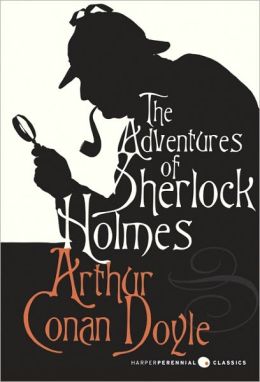
ExampleThe Adventures of Sherlock Holmes


Mythology

     A group of myths belonging to a particular people or culture that tell about their ancestors, heroes, gods and other supernatural beings and history.

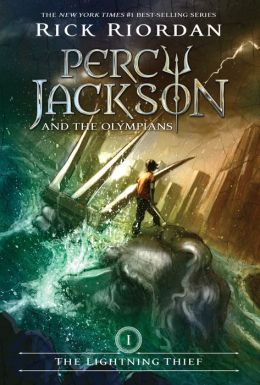
ExampleThe Lightning Thief


Fiction in Verse

     Full length novels with plot, subplots, themes, with major and minor characters.  The narrative is usually presented in blank verse (unrhymed poetry)

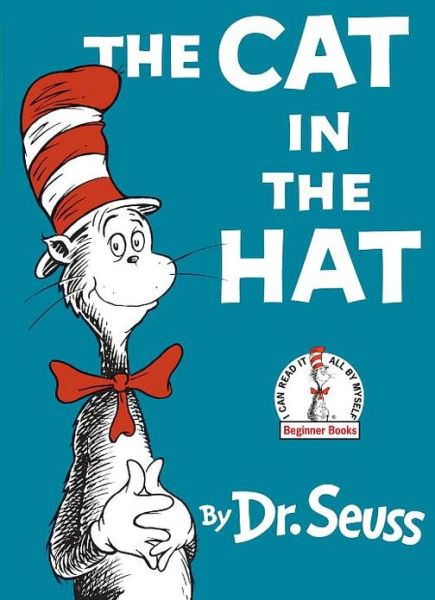
ExampleThe Cat in the Hat


     The list provided by genresofliterature.com is only the tip of the iceberg.  Within each of the genres listed above, are several subgenres that define a work of literature at a more granular level.  It is also possible for a single piece to fall into multiple categories.

     Do you have a favorite genre to write?  How about a favorite genre for reading?  Are they the same?

*Unless otherwise specified by a link, all definitions obtained from Bing Dictionary

Wednesday, March 27, 2013

Defying the Rules

Image Courtesy of Stuart Miles / FreeDigitalPhotos.net
     The beauty of writing fiction is that it is not real.  You can create a world as similar to or as far from reality as you please.  You can defy the laws of gravity and science and no one can tell you you are wrong.  Or can they?
 
     I have been following an interesting discussion on goodreads.com, where Twilight readers (I don't think I can really call them all fans), have been discussing Stephanie Meyers' approach to explaining how it was possible for Renesmee to be born.  For those of you that have never read any of the Twilight books or seen any of the movies, Renesmee is a vampire/human hybrid born to Edward (a vampire) and Bella (his human wife).  Despite what you might think, the discussion doesn't focus on the idea that a vampire baby in general is impossible, but rather the inconsistencies in Meyers' explanation of how Renesmee's existence is even possible.

Image Courtesy of David Castillo Dominici \ FreeDigitalPhotos.net

     The thread is particularly interesting to me, because I am writing a series where the main character is a single mother, who also happens to be a vampire.  I was interested to find out the general opinion on vampires having the ability to procreate.  My beta readers didn't even seem to bat an eye at the idea and one reader even mentioned that they appreciated this factor.  If there are readers that feel contrary, I'd like to hear their reasons why and see how those opinions compare to my work.  Of course, you can't please everyone, but why intentionally put people off if it can be avoided without changing the integrity of the story.

    Why is this even an issue, you might ask.  Well, it seems that the readers are having difficulty with the fact that Meyers tried to use real world science to explain how Renesmee came to be and in doing so, went against the "rules" of the world she had created.  In the discussion thread, the readers express (in quite an entertaining fashion) how Meyers' own rules contradict each other, making Renesmee's existence impossible and hard to swallow.  One particular participant, who goes by the name of Rel8tivity, wrote
Image Courtesy of Victor Habbick \ FreeDigitalPhotos.net
"If she had stuck with magic and some kind of vampire mojo that made babies, it would have been fine. But she started going into how many chromasomes a vampire had, so we're stuck with Mendelian genetics, and she didn't make it work in that regard. You can't have it both ways."  When challenged by other participants, who stated that the story is a work of fiction and thereby the author has the right to do or say whatever she wants, Rel8tivity counters that the label of fiction or even fantasy, does not give the author a "blank check" to contradict their own rules whenever convenient.

     While many people feel the discussion is examining the story far too deeply, it brings up a very valid point.  When we create a world where
Image Courtesy of Master isolated images / FreeDigitalPhotos.net
the impossible is possible, is everything possible?  A world without rules leads to chaos, so as an author, it is up to us to define what is possible and what is not.  But when our own rules make a particular plot point impossible, do we have the right to defy those rules and force the reader to accept that this impossible thing, even by our own standards, is happening just because we say so, waving the flag of fiction as our free pass to do so?

     When I began writing my series, I added the element of vampire children from the very beginning.  I knew that this is something that would be questioned and offered an "explanation" of how it is possible.  It's funny, but prior to reading the goodreads thread, I worried that readers might find my "vampire mojo" explanation to be a cop out.  Guess I can stop worrying about that now.