Showing posts with label Genre. Show all posts

Wednesday, October 16, 2013

Naming Your Book

Photo credit: unknown (obtained from Writers Write)
     Have you ever been drawn to a book simply by its title?  What you name your book is just as important as the content you fill it with.  It is the first chance you have to attract a reader and give them an idea what your book is about.  In a blog, written by Amanda Patterson, she offers 8 tips to consider when naming your book.

1. It should suit your genre


2.  It must have something to do with the plot


3.  It should be easy to remember


4.  It should appeal to the reader on an emotional and an intellectual level


5.  It should be easy to pronounce


6.  Short names are better (3-5 words)


7.  Visual titles work best


8.  The title should also reveal a bit about the soul of the book


     Look for successful books within your genre and find a common thread.  Can you see your book fitting in among these?  A reader should be able to tell just from the title alone, what genre your book falls under.  The title should give the reader an idea of what they will be reading.  What is your book about?  If you could describe the plot of your book in five words or less, what would it be?  

The title should be something simple, yet it should stand out.  You want to be sure that the title of your book is distinct enough that it will be instantly recognizable, yet simple enough to stick in the mind of a reader so that they can recommend it to other readers.  It should evoke powerful emotions or be so thought provoking that it intrigues the reader so much that they feel compelled to read the book.

     You want to be sure to make the title easy to pronounce for your target audience.  If you are writing a children's book, you wouldn't want to use a sophisticated phrase that would be beyond their comprehension.  Keep it short, sweet and to the point.  Offer readers a glimpse of the soul of your novel, giving just enough to attract their attention, but not so much that they don't feel like they need to read the book.

     We spend so much time writing the stories and painstakingly editing in an effort to get everything just right.  All of that hard work is for naught if the same care is not taken when choosing a title.  Think of naming your novel as naming your child, because in essence, that's what our novels are to us.

Thursday, May 16, 2013

The Very Definition

Image courtesy of Taliesin \ morguefile

     I've been doing this writing thing just long enough to notice that any time I encounter another writer for the first time, aside from the usual bio info exchanged, the most common question is, "What genre do you write?"  After a few of these exchanges, I quickly realized that I didn't know the different genres as well as I thought I did.  Genresofliterature.com offers a nice concise list and brief definition of the different genres currently defined*.     

Nonfiction Genres

Nonfiction

     Factual writing.  Writings that convey factual information and are not primarily works of the creative imagination.

Example: History of The American Economy (textbook)

Narrative Nonfiction

     Also referred to as creative nonfiction, literary journalism and fact based story telling, adapting some of the features of fiction (creating a narrative persona, setting scenes, presenting interesting characters, creating the look and feel of a setting, telling a story) to the purposes of journalism.

Example: Prince Harry Ending US Visit With Conn Polo Match (news article)

Essays

     Short nonfiction prose piece; an short analytic, descriptive or interpretive piece of literary or journalistic prose dealing with a specific topic, especially from a personal and unsystematic viewpoint.

Example: Boyhood Dream Came True A Czech Taxidermists Success Story (Photo Essay)

Biography

     An account of somebody's life written or produced by another person

Example: Audrey In Rome (Audrey Hepburn's life story as told by Lucca Dotti, Ludovica Damiani and Sciascia Gambaccini)

Autobiography

     An account of somebody's life written by that person

Example: My Beloved World (Sonia Sotomayor's life story as told by Sonia Sotomayor)

Speech

     The ability to speak.  The act of communicating by speaking

Example: The Gettysburg Address

Fiction Genres

Fiction

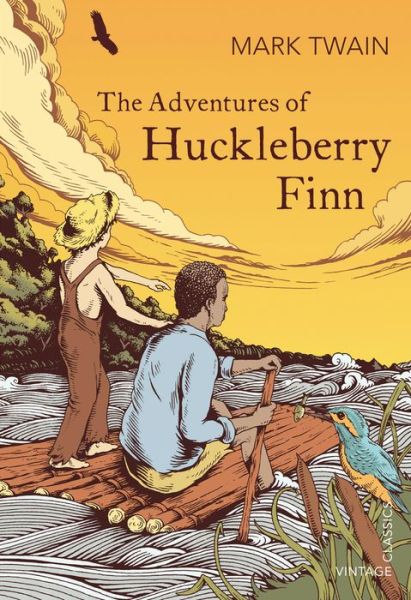
     Literary works of imagination.  Novels and stories that describe imaginary people and events.

Example: Adventures of Huckleberry Finn


Drama

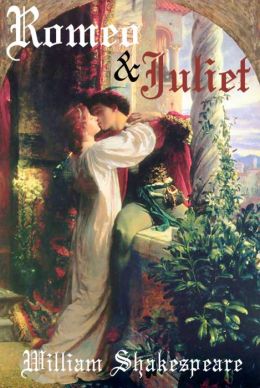
     A serious play written for performance on stage, television or radio.  

Example: Romeo and Juliet


Poetry

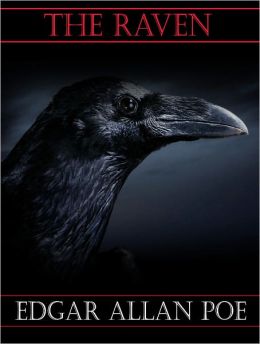
    Literary works written in verse, in particular, verse writing in high quality, great beauty, emotional sincerity or intensity or profound insight.

Example: The Raven


Fantasy

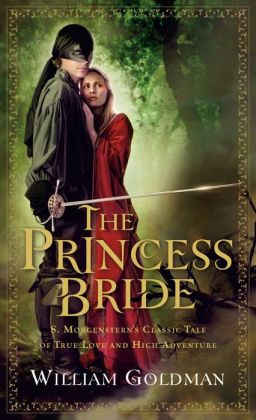
     The creative power of the imagination.  Commonly uses magic and other supernatural phenomena as a primary plot element, theme or setting.

Example: The Princess Bride


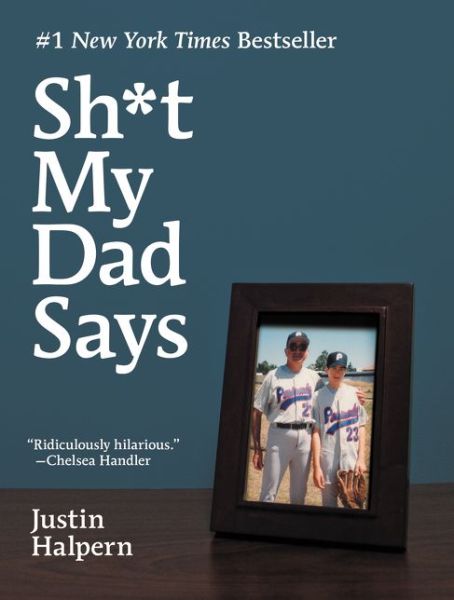
Humor

     Writings and other material designed to make people laugh.  The quality or content of something that elicits amusement or laughter.

Example:  Sh*t My Dad Says


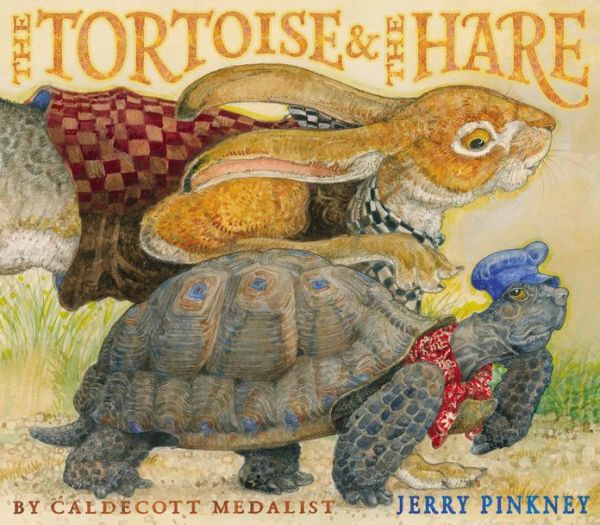
Fable

     A short story with a moral, especially one in which the characters are animals.  A story about supernatural, mythological or legendary characters or events.

Example: The Tortoise and the Hare


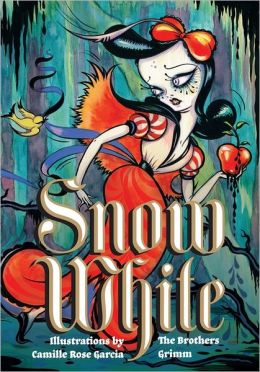
Fairy Tales

     A story for children about fairies or other imaginary beings and events, often containing a moral message.

Example: Snow White


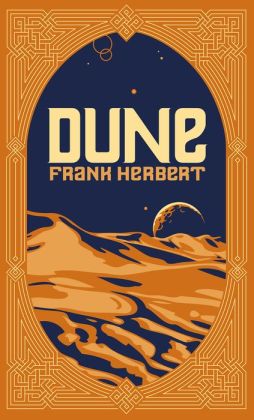
Science Fiction

     Fiction based on futuristic science.  Fiction based on science, usually set in the future, that deals with imaginary scientific and technological developments and contact with other worlds.

Example: Dune


Short Story

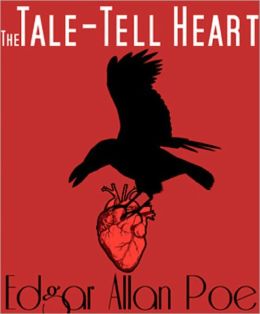
     A work of prose fiction that is shorter than a novel.

Example: The Tell-Tale Heart


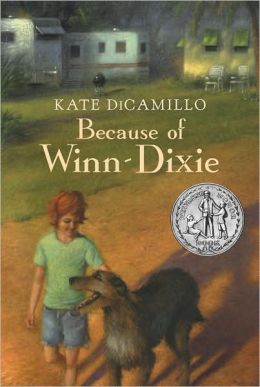
Realistic Fiction

     Resembling or simulating real life.  Interested in, concerned with or based on what is real or practical.

Example: Because of Winn-Dixie


Folklore

     Traditional stores and explanations passed down in a community or country.

Example: Paul Bunyan


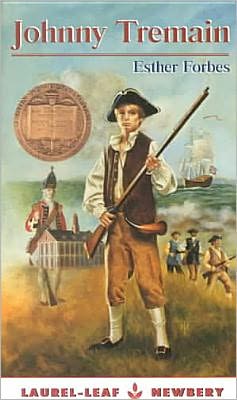
Historical Fiction

     Narratives that take place in the past and are characterized chiefly by an imaginative reconstruction of historical events and personages.

Example: Johnny Tremain


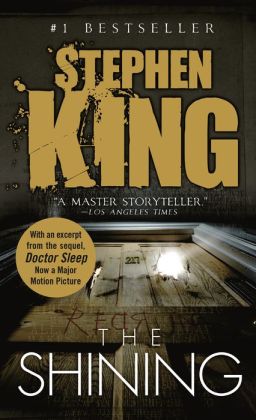
Horror

     Something that causes a very strong feeling of fear shock or disgust.

Example: The Shining


Tall Tale

     An exaggerated, unreliable story.

Example: Pecos Bill


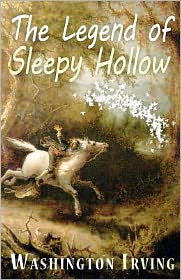
Legend

     A story that has been passed down for generations, especially one that is presented as history but is unlikely to be true.

Example: The Legend of Sleepy Hollow


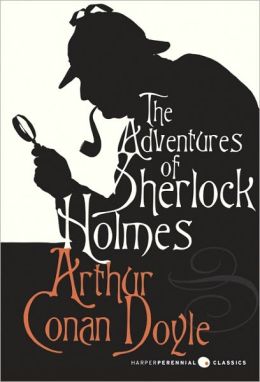
Mystery

     An event or situation that is difficult to fully understand or explain.  Typically a detective or crime novel.

Example: The Adventures of Sherlock Holmes


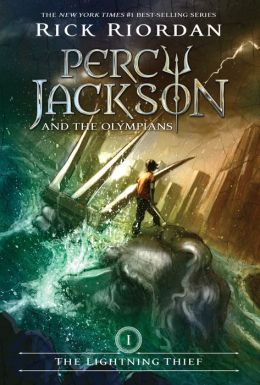
Mythology

     A group of myths belonging to a particular people or culture that tell about their ancestors, heroes, gods and other supernatural beings and history.

Example: The Lightning Thief


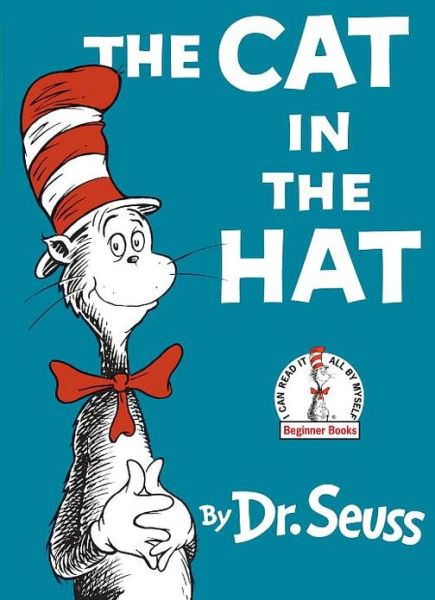
Fiction in Verse

     Full length novels with plot, subplots, themes, with major and minor characters.  The narrative is usually presented in blank verse (unrhymed poetry)

Example: The Cat in the Hat


     The list provided by genresofliterature.com is only the tip of the iceberg.  Within each of the genres listed above, are several subgenres that define a work of literature at a more granular level.  It is also possible for a single piece to fall into multiple categories.

     Do you have a favorite genre to write?  How about a favorite genre for reading?  Are they the same?

*Unless otherwise specified by a link, all definitions obtained from Bing Dictionary